Free Shipping on Orders Over $200

Product Science

Certificate of Analysis (COA) document used for research peptide testing

What Is a Certificate of Analysis (COA)? Definition & Purpose

A Certificate of Analysis (COA) is a document used across many industries to verify that a specific batch of a material has been tested and evaluated. In research settings, COAs help provide transparency into what was tested, how it was tested, and what the results showed. If you’re new to COAs, this guide explains what […]

What Is a Certificate of Analysis (COA)? Definition & Purpose Read More »
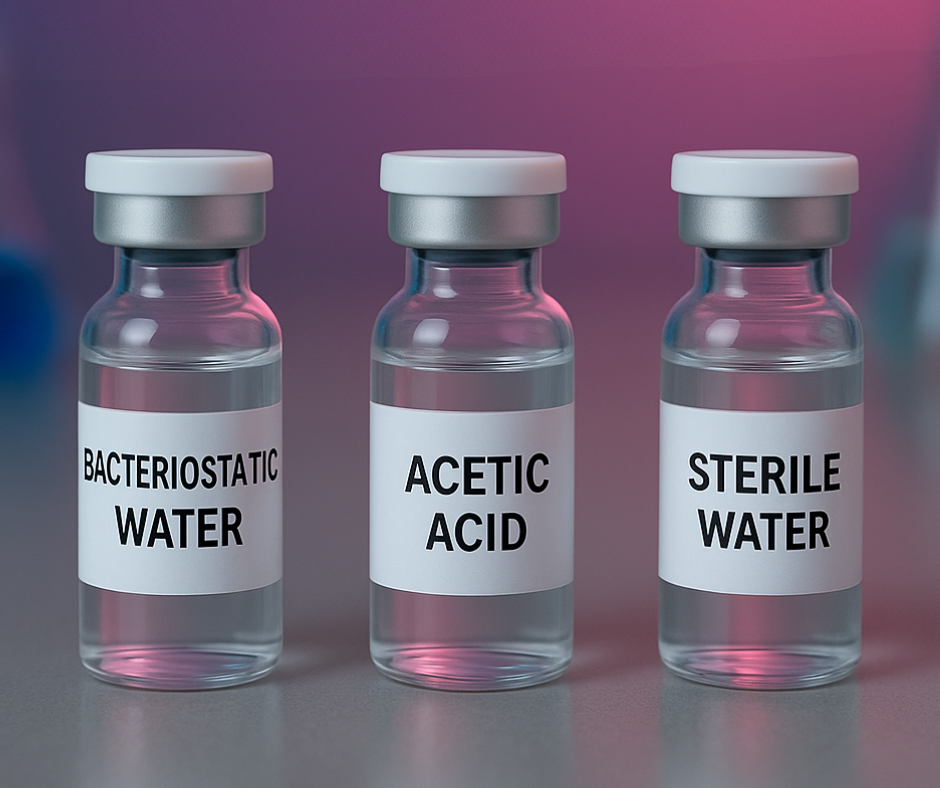
Peptide reconstitution: mixing lyophilized peptide with laboratory solution

Peptide Reconstitution 101: Understanding How Peptides Mix for Research Use

Many research peptides come as a white, freeze-dried powder called a lyophilized puck.Before researchers can begin studying a material, this powder is typically combined with acompatible laboratory solution — a process known as reconstitution. This guide explains the science behind reconstitution so researchers can better understand whatthey’re observing in the lab. Reminder: These compounds are

Peptide Reconstitution 101: Understanding How Peptides Mix for Research Use Read More »

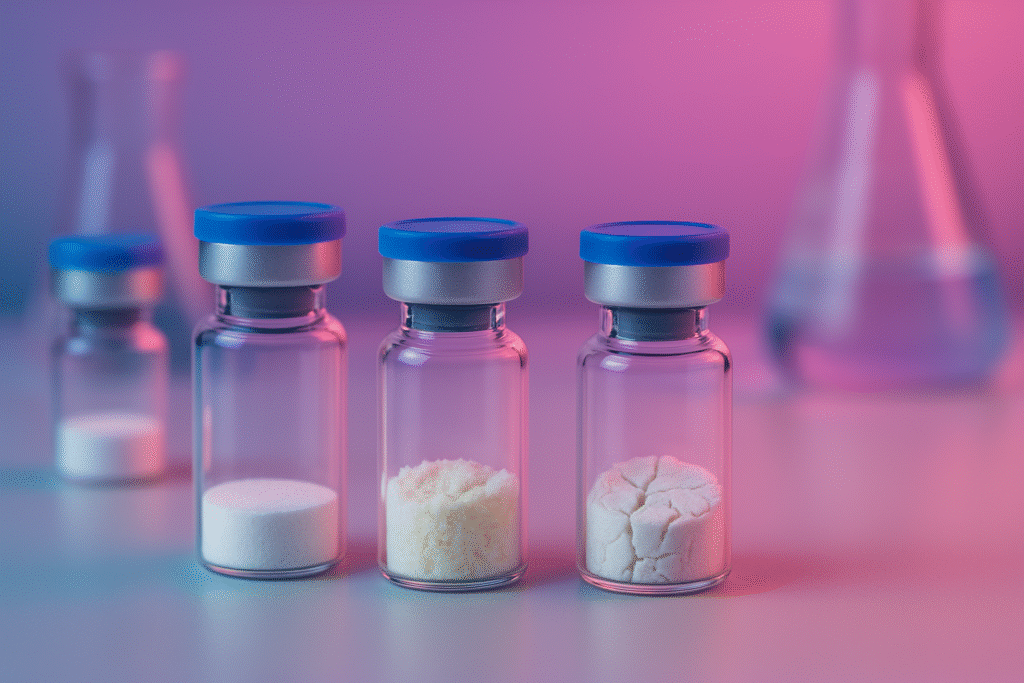
why peptides look different lyophilized peptide puck examples

Why Do Peptides Look Different?Understanding Lyophilized Pucks, Textures & Filler

Peptides often arrive as a white, freeze-dried (lyophilized) solid inside a sealed research vial. Butif you’ve ordered more than one peptide before, you’ve probably noticed they don’t all look thesame. Some pucks are flat, others are fluffy, some sit off-center, and some even look cracked. It can be surprising — but it’s completely normal. This

Why Do Peptides Look Different?Understanding Lyophilized Pucks, Textures & Filler Read More »

Four small laboratory vials containing different types of lyophilized powders, arranged in a row with a blurred laboratory flask in the background, under soft pink and purple lighting.

Why Are Peptides Lyophilized?

Understanding Freeze-Drying in Research Peptides Why are peptides lyophilized? This guide explains how freeze-drying protects peptide stability, structure, and usability in research settings. Peptides are extremely fragile molecules. Their structure, stability, and effectiveness in researchcan change quickly when exposed to heat, moisture, or repeated temperature fluctuations.Because of this sensitivity, most peptides do not ship or

Why Are Peptides Lyophilized? Read More »

Shopping Cart
Scroll to Top