
What Are Peptides? A Simple Introduction for Research Purposes
If you’ve ever wondered what are peptides are from a research perspective, this guide explains the basics in a clear and easy-to-understand way. For educational use only. Peptides sold on
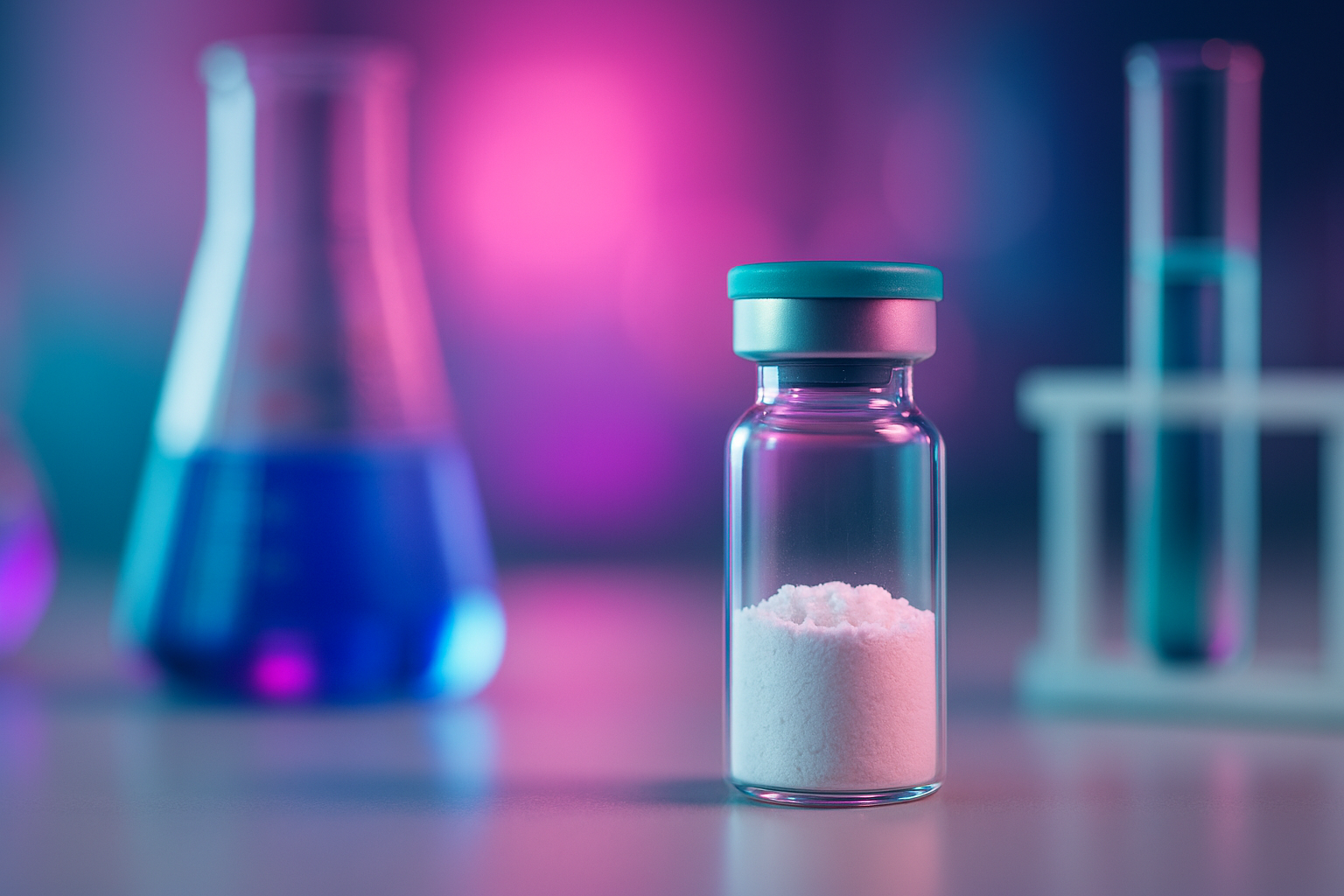
Table of Contents
If you’ve ever wondered what are peptides are from a research perspective, this guide explains the basics in a clear and easy-to-understand way.
For educational use only. Peptides sold on Peptide Basix are for laboratory research only and
not for human consumption.
Peptides have become one of the most widely discussed tools in modern scientific and laboratory
research. You’ll see the term everywhere — from academic journals to online discussions — but
the word peptide simply refers to something very basic: a short chain of amino acids linked
together.
Amino acids are often called the “building blocks of proteins,” and when they bond in small
chains, those chains are known as peptides. When they form long, complex structures, they
become full proteins. Because peptides are smaller and more targeted than entire proteins,
researchers often study them for their unique signaling abilities and their potential roles in
various biological processes.
What Are Peptides And Why Are They Interesting to Researchers?
Across the scientific community, peptides are valued because they can interact with cellular
receptors in specific and predictable ways. Different peptide structures may influence different
pathways, making them useful for studying:
- Cellular communication
- Receptor signaling
- Metabolic pathways
- Growth and repair mechanisms
- Neurological processes
Each peptide has its own structure and characteristics, which is why researchers often investigate
them individually.
How Peptides Are Made
Most peptides used in laboratories today are created through a process called solid-phase
peptide synthesis (SPPS). This method allows chemists to build a peptide step-by-step, adding
amino acids one at a time in a controlled environment. The result is a highly precise sequence
designed to match the peptide being studied.
After synthesis, the peptides are typically purified, freeze-dried (lyophilized), and sealed in
sterile laboratory vials as powders. This form helps preserve stability during storage and
shipping.
How Peptides Are Stored for Research
Lyophilized peptides are generally stored in cool, dry conditions protected from light and
moisture. Because they are supplied as powders, researchers can reconstitute them with the
appropriate laboratory solution when needed for a specific experiment.
Different peptides may behave differently in solution, which is why researchers carefully select
the correct solvent based on the peptide’s characteristics, solubility, and stability.
Why So Many Types of Peptides Exist
There isn’t just one type of peptide. Each sequence of amino acids creates a different chain, and
those differences can affect how it interacts with biological systems. This is why peptides
fall into many research categories, such as:
- Metabolic-related peptides
- Growth-related peptides
- Neuromodulatory peptides
- Peptide fragments and analogs
- Naturally occurring vs. synthetic peptides
Scientific interest continues to grow as more peptides are designed, modified, or investigated.
Peptides in Modern Research
Today, peptides are being studied in universities, research labs, and private facilities around the
world. Their precision and adaptability make them valuable tools for scientists examining
complex biological questions.
While peptides sometimes appear in mainstream discussions, it’s important to remember that
research-grade peptides like those found on Peptide Basix are strictly intended for laboratory
and experimental use only, not for human or animal consumption.
Final Notes
Peptides may seem complicated at first, but at their core they’re simply small chains of amino
acids with big potential for scientific exploration. As the research landscape evolves, peptides
remain an exciting area of study — and this blog will continue breaking down concepts in a
clear, easy-to-understand way.
Disclaimer: This article is for educational purposes only. Peptide Basix products are for laboratory research use only and are not intended for human use. These materials should be handled only by qualified professionals in controlled research environments. No information provided here should be interpreted as medical guidance, advice, or endorsement for any purpose.
All research materials must be used responsibly and in accordance with local regulations.
Always follow proper laboratory safety protocols when handling any peptide products.